
 CALL NOW
Alcohol Detox Medications: Managing Alcohol Withdrawal
According to the National Institute on Alcohol Abuse, close to 30 million people in the United States struggle with alcohol addiction or alcohol use disorder (AUD) as of 2023. Many of them will seek addiction treatment so they can live sober lives.
Detox is the first stage of a treatment program for alcohol use disorder, also known as alcohol addiction. This process can be difficult for people to get through, as the body has to adjust to the lack of alcohol in its system. Because of this, people who’ve developed alcohol dependence can often experience withdrawal symptoms that can be painful.
There are numerous ways in which the symptoms of alcohol withdrawal can be managed, and one of those ways is through the use of alcohol detox medications. But what are these medications?
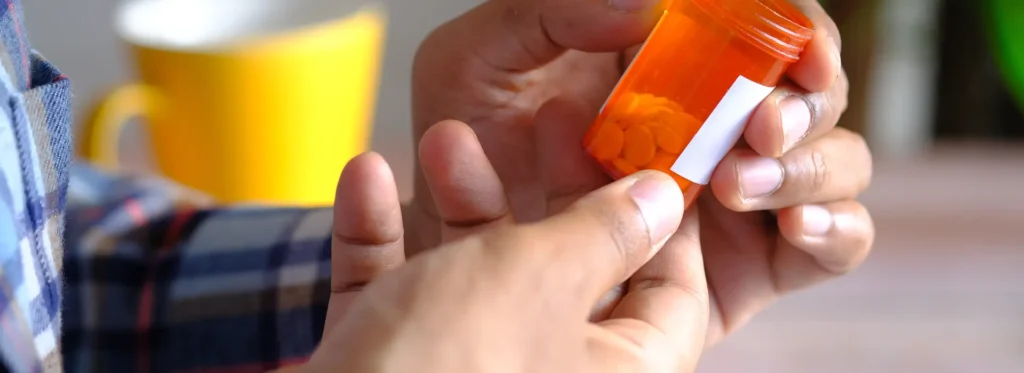
Medications Used During Alcohol Detox
There are several medications used in the treatment of alcohol abuse and alcoholism. These medications can be used to manage withdrawal symptoms by tempering their severity, and they can include:
Take the first step now
Click the button below to call us
It's free!
Anticonvulsants
People who withdraw from alcohol may experience seizures. Anticonvulsants can be used to reduce alcohol seizures. These medications may also be used to reduce alcohol cravings. Gabapentin and carbamazepine are two common medications used to treat alcohol seizures.
Benzodiazepines
Anxiety is a common symptom of drug and alcohol withdrawal. When a patient in the detox process presents with anxiety, they may be prescribed benzodiazepines such as Librium or Valium to help manage symptoms. They can be especially vital in cases of severe alcohol withdrawal, as some patients may develop delirium tremens (DTs).
Barbiturates
On a similar note, barbiturates can also be prescribed during alcohol withdrawal to manage seizures. They can also be used in conjunction with benzodiazepines if a patient proves to be resistant to benzos.
Thiamine
Many people who struggle with alcohol use lack Thiamine, also known as vitamin B1. Because of this, thiamine may also be administered to prevent a patient from developing Wernicke’s Encephalopathy and Korsakoff syndrome.
Effects of Alcohol Withdrawal Syndrome
There are several effects that alcohol withdrawal can have. Alcohol withdrawal symptoms include insomnia, tremors, anxiety, nausea, and vomiting. Major withdrawal symptoms can include hallucinations, whole body tremors, excessive sweating, and hypertension. As previously mentioned, they may also have withdrawal seizures.
Delirium Tremens
The previously mentioned delirium tremens or DTs is a severe form of alcohol withdrawal. However, as dangerous as it can be, it is exceedingly rare and presents in cases of severe, long-term alcohol abuse. If untreated, DTs can cause severe reactions such as a heart attack, stroke, and even death.
DTs generally present themselves 2 to 3 days after the last instance of alcohol consumption. Risk factors for developing DTs include being a male over the age of 30, having been through alcohol withdrawal before, having a history of seizures or heart disease, and having a co-occurring substance use disorder.
But, as severe as it is, it can be treated with a calm, supportive environment and the medications listed above.
Take the First Step Today
Whether you are seeking help for yourself or supporting a loved one, our team is here to listen and guide you. Fill out the form below and begin the journey toward lasting recovery.
The Importance of the Detox Process
The detox process can be difficult to get through. But it is an important part of the recovery process, and it’s important to stop drinking safely by being in a specialized treatment facility. Detox can have various benefits in treatment for alcohol dependence.
One of the most important parts is that it can psychologically prepare someone for the other parts of treatment. Detox is often one of the hardest parts of treatment, so being able to get through it can show someone that they can get through the process.
Detoxing from alcohol can also help a person in the treatment of alcohol dependence, as being sober can clear a person’s mind, which can help focus on their treatment program. The detox process can help someone start their recovery journey with a clean slate, which can have symbolic importance for those struggling with addiction.

What Happens After Medical Detox?
Detox is only the first part of the treatment process, and it is often a crucial part of rehab. Rehab will consist of individual and group therapy using various modalities such as cognitive behavioral therapy. There may also be alternative treatment options such as meditation and mindfulness, acupuncture, art therapy, and Reiki.
Medications for Alcohol Use Disorder
In addition to alcohol detox medications, several medications can be used to help people with AUD manage their conditions. These medications include:
Naltrexone
Naltrexone is a medication that can be used to minimize the risk of alcohol relapse. It can be prescribed even before a person goes into treatment for alcohol use, and it can be taken as a pill or injected. Naltrexone works by reducing the pleasurable effects of alcohol, and it can also be used to treat people with other forms of addiction, such as those with opioid use disorder.
Acamprosate
Acamprosate is another drug that can be used for AUD recovery. It can help people maintain their abstinence by reducing alcohol cravings. It’s only available through a prescription and comes as delayed-release tablets.
Disulfiram
Disulfiram is another medication that can be used to support alcohol addiction recovery. Ideally, patients should abstain from alcohol for several days before they begin taking the medication. Otherwise, there may be undesirable side effects. Disulfiram works by creating unpleasant reactions when a person drinks alcohol, thus discouraging them from drinking.

We’ll Help You Get Through Detox
If you or a loved one is struggling with alcohol use disorder, rest assured that recovery is possible. At Resilient Recovery, we’ll help you get through detox and treatment. An email or a phone call is all it takes to begin the recovery process, so don’t hesitate to contact us.
You’re Not Alone
Addiction impacts both individuals and families — but help is available. Reach out now and let our specialists provide the support, care, and guidance you need to move forward with confidence.